
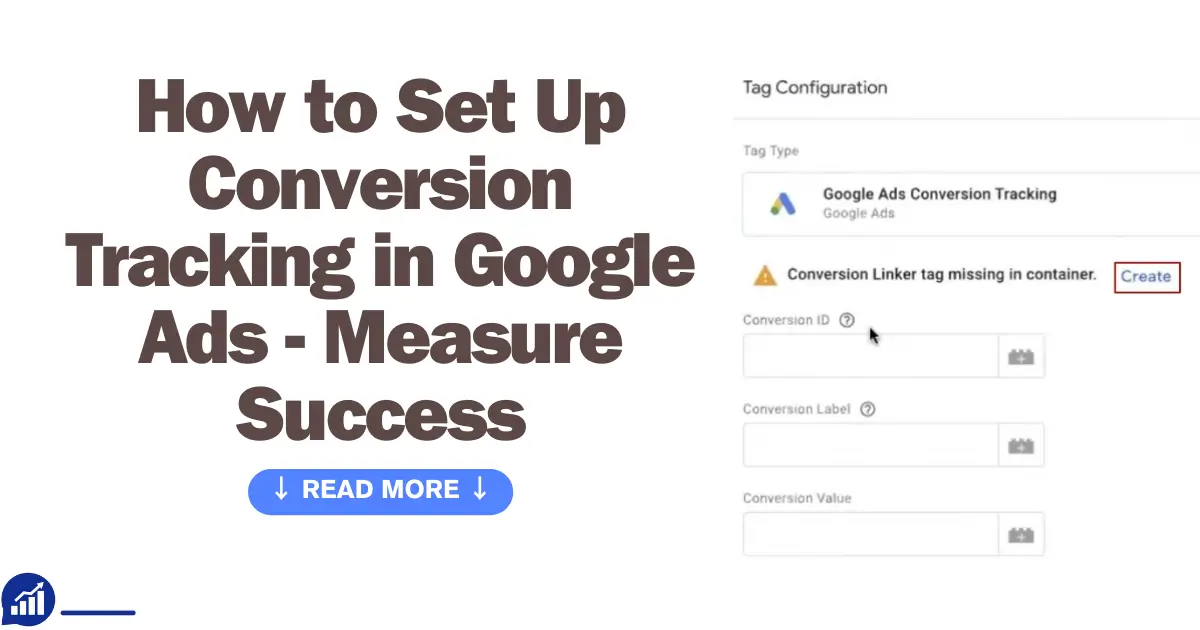
Are you spending money on Google Ads but not sure if they’re really working for you? Do you find yourself guessing which campaigns are driving actual sales or leads?
Imagine having a clear map that shows you exactly where your advertising dollars are paying off. This is where conversion tracking comes in. It’s like having a powerful magnifying glass that helps you see the real impact of your ads.
In this guide, you’ll learn how to set up conversion tracking in Google Ads step-by-step. By the end, you’ll gain valuable insights into your campaigns, allowing you to fine-tune your strategy and boost your return on investment. Don’t let your marketing budget go to waste—discover the secrets to smarter advertising and start seeing measurable results today!
Importance Of Conversion Tracking
Setting up conversion tracking in Google Ads is crucial for understanding the effectiveness of your campaigns. Without this, you may miss valuable insights. Tracking conversions in Google Ads helps you see which keywords, ads, and campaigns bring real results. It is a powerful tool to enhance your Google Ads performance metrics. The importance of conversion tracking cannot be overstated for businesses wanting to succeed online. Let’s dive deeper into why conversion tracking is essential for your advertising efforts.
Importance Of Data-driven Decisions
Conversion tracking empowers you to make informed decisions. It provides accurate data on which ads drive the most conversions. With Google Ads conversion tracking, you can see the direct impact of your marketing efforts. This insight allows you to allocate your budget effectively and optimize ad campaigns for better results. Without it, you’d be navigating your marketing strategy blindly.
Understanding Customer Behavior
Google Ads analytics gives you a window into customer actions. By setting up conversion tracking, you can see how users interact with your site. Do they buy immediately? Do they visit several pages first? This information is vital. It helps you tailor your marketing approach to meet customer needs better.
Measuring Roi Effectively
Accurate measurement of return on investment (ROI) is essential. Conversion tracking setup helps you calculate ROI with precision. When you track conversions in Google Ads, you can attribute sales to specific campaigns. This lets you see the exact return on your ad spend. It ensures you are not wasting money on ineffective strategies.
Improving Ad Copy And Design
Knowing which ads convert helps refine your messaging. Use the insights from Google Ads performance metrics to enhance ad copy and design. This continuous improvement cycle is key to keeping your ads relevant and engaging. It leads to higher conversion rates and better overall performance.
Optimizing Keyword Strategy
Not all keywords bring value. With Google Ads conversion tracking, identify which keywords lead to conversions. Focus on high-performing keywords to maximize your results. This approach improves your Google Ads setup guide and strategy. It helps in tracking online sales and other desired actions more effectively.
Enhancing Overall Campaign Performance
By measuring conversions in Google Ads, you optimize your entire campaign. Conversion tracking helps identify strengths and weaknesses. Adjust strategies based on data to enhance your campaign performance. The right adjustments lead to more efficient use of your advertising budget.
Types Of Conversions
Setting up conversion tracking in Google Ads is crucial for understanding how your advertising efforts translate into tangible results. Recognizing the different types of conversions helps optimize your campaigns and improve your advertising ROI. From website conversions to phone call conversions, each type offers unique insights into user behavior. Exploring these conversions will help enhance your digital marketing analytics, ensuring an effective Google Ads setup.
Website Conversions
Website conversions are actions users take on your site after clicking on an ad. These could include:
- Purchasing a product
- Signing up for newsletters
- Filling out a contact form
To track these conversions, use tracking pixels or tags. These are snippets of code placed on specific pages where conversions occur. The process involves:
- Creating a conversion action in Google Ads.
- Adding the conversion tracking tag to your website.
- Testing the setup to ensure accurate tracking.
Utilizing website conversions in your Google Ads setup can provide insights into what actions users find valuable. This helps refine your advertising strategy, ensuring your ads lead to meaningful engagement.
App Conversions
App conversions track actions within mobile applications. These conversions can be:
- App installs
- In-app purchases
- Engagement events like video views
To set up app conversions, you need to integrate Google Ads with your app analytics platform. This might involve:
| Step | Description |
|---|---|
| 1 | Link your app to Google Ads. |
| 2 | Define conversion actions within the app. |
| 3 | Use conversion tracking codes or SDKs. |
App conversions provide valuable data on how users interact with your app post-ad click. This data enhances your digital marketing analytics, enabling more tailored advertising strategies.
Phone Call Conversions
Phone call conversions involve tracking calls made directly from ads. This is particularly useful for businesses where phone interactions are crucial.
- Calls from call extensions
- Clicks on phone numbers in ads
Setting up phone call tracking includes:
- Creating a call extension in Google Ads.
- Use a tracking number for accurate monitoring.
- Defining what constitutes a conversion, such as call duration.
Phone call conversions reveal insights into customer interaction preferences. This information aids in optimizing ad placements and improving advertising ROI.
Importing Offline Conversions
Offline conversions track actions that happen outside the online space, like in-store purchases. This involves:
- Collecting data on offline actions
- Linking offline data to online ad interactions
- Uploading offline conversion data into Google Ads
Importing offline conversions requires:
| Step | Description |
|---|---|
| 1 | Set up a data collection system for offline actions. |
| 2 | Match offline data with online user identifiers. |
| 3 | Upload data to Google Ads for tracking. |
Integrating offline conversions with online analytics bridges the gap between digital ads and real-world results. This integration is vital for comprehensive digital marketing analytics.
Setting Up a Google Ads Account
Setting up a Google Ads account is the first step towards effective PPC Campaign Optimization and Measuring ROI. This process helps businesses establish conversion goals and track their success in digital marketing analytics. With a proper Conversion Tracking Setup, advertisers can measure their performance and improve their Online Advertising Metrics. Here’s how to Set Up Google Ads and start Google Ads Conversion Tracking.
Creating A New Account
Creating a new Google Ads account is simple. Follow these steps to get started:
- Visit the Google Ads website.
- Click on the Start Now button.
- Sign in using your Google Account. If you don’t have one, you can create a new Google Account.
Once logged in, you’ll be asked to provide essential information:
| Information Type | Description |
|---|---|
| Business Name | The name of your business as it appears online. |
| Website URL | Your business’s website address. |
After entering your details, you can start creating your first campaign. Choose your campaign goals wisely to align them with your Conversion Goals. Selecting the right campaign type is crucial for Tracking Conversions effectively.
Linking Google Analytics
Integrating Google Analytics with your Google Ads account enhances your Digital Marketing Analytics. This Google Analytics Integration allows for deeper insights into user behavior and campaign performance.
- Log in to your Google Analytics account.
- Navigate to the Admin section in the lower left corner.
- Under the Property column, click on Google Ads Linking.
- Select your Google Ads account and click Continue.
- Review the settings and click Link accounts.
Linking these platforms helps in Measuring ROI more accurately. It also aids in understanding user interaction with your ads. You can then optimize your campaigns for better results. Make sure to regularly review your Online Advertising Metrics. This helps ensure your Conversion Tracking Setup is working effectively.
Creating Conversion Actions
Setting up conversion tracking in Google Ads is essential for measuring your online advertising success. Understanding how users interact with your ads can help you refine your strategy. Creating conversion actions is a crucial step in this process. It involves defining what actions you consider valuable, how you measure them, and ultimately, how you assign value to these actions. Let’s dive into this important process.
Navigating To Conversion Actions
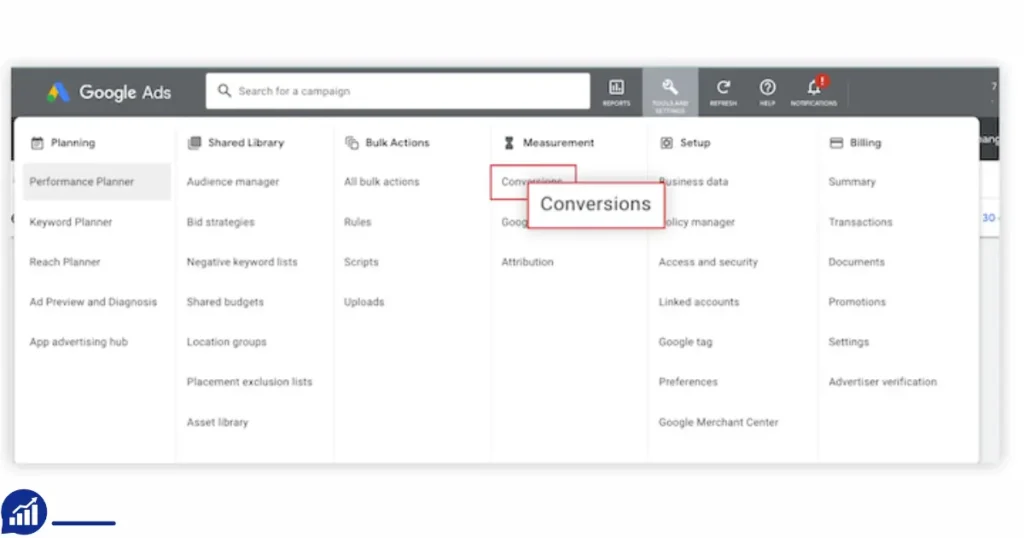
Before setting up conversion actions, it’s important to know how to find them. Start by logging into your Google Ads account. From there, follow these steps:
- Click on the wrench icon in the upper-right corner of the screen.
- Select Conversions from the dropdown menu under the “Measurement” section.
- You’ll be directed to the Conversion Action page.
On this page, you can view all existing conversion actions and create new ones. Understanding this interface is key. It allows you to manage your Google Ads tracking effectively. You can see the details of your current conversion actions, such as their status and type.
| Column | Description |
|---|---|
| Status | Shows if the action is active or not. |
| Type | Describes the kind of conversion, e.g., purchase, sign-up. |
Being familiar with this layout simplifies the conversion action setup. It ensures you track conversions accurately.
Defining Conversion Goals
Defining conversion goals is the next step. What actions do you want to track? This could be a purchase, a sign-up, or a download. Your goals should align with your business objectives.
- Select Action Type: Choose the type that best represents your goal.
- Name Your Action: Give it a name that makes it easy to identify.
- Choose a Category: Categories help organize your conversion actions.
Google Ads performance metrics will reflect these goals. They help you understand how well your ads are working. A clear definition of goals leads to better ppc conversion tracking. This, in turn, enhances your online advertising conversions.
Think about your customers’ journey. What actions signify a successful interaction? Consider setting multiple goals for different stages of the journey. This approach provides a comprehensive view of your Google Ads conversions.
Setting Conversion Values
Assigning values to conversions is crucial. It helps you determine the return on investment for your ads. Here’s how to set conversion value settings:
- Fixed Value: Assign a constant value to each conversion. Useful for consistent actions.
- Variable Value: Use different values based on the transaction, like the purchase amount.
Consider your business model. What value does each conversion bring? This will guide your decision.
Conversion tracking setup with accurate values enhances Google Ads tracking. It allows you to measure the true impact of your campaigns. Understanding the value of conversions guides budget decisions. It ensures you’re investing in the right areas.
Proper conversion value settings lead to better insights. They help optimize your strategy for improved Google Ads performance metrics.
Implementing Tracking Codes
Setting up conversion tracking in Google Ads is crucial for analyzing campaign performance and optimizing your online advertising efforts. Implementing tracking codes enables you to measure how effectively your ads convert clicks into desired actions. These codes are pivotal for achieving conversion goals and refining conversion rate optimization strategies. This section provides insights into implementing tracking codes effectively, ensuring your Google Ads metrics reflect accurate data, and helping with remarketing tracking.
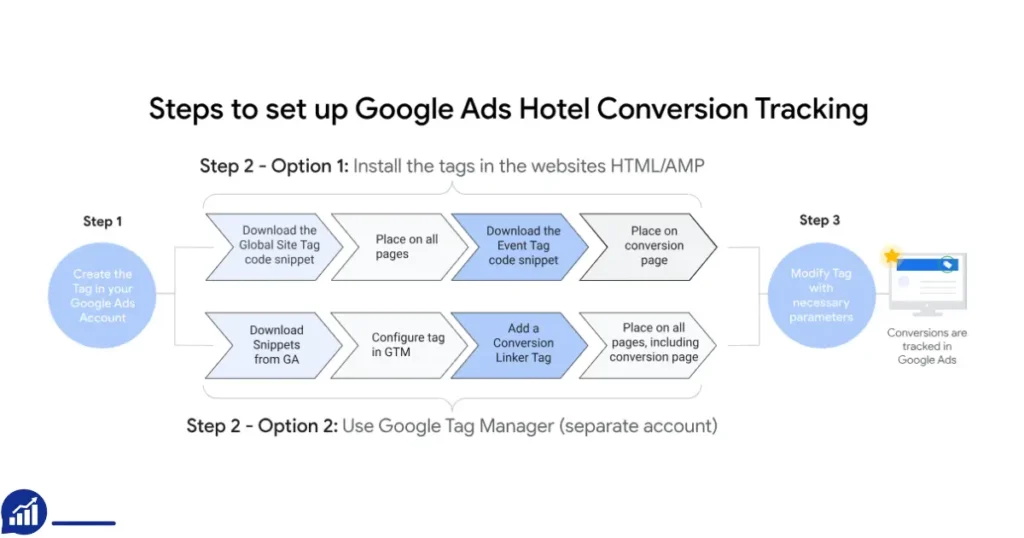
Global Site Tag
The Global Site Tag is the foundation of Google Ads conversion tracking. This code snippet must be installed on every page of your website to enable comprehensive data collection. It acts as a centralized tag, simplifying the process of tracking multiple events across different pages.
To implement the Global Site Tag:
- Access your Google Ads account.
- Navigate to the “Tools & Settings” menu.
- Select “Conversion” under “Measurement”.
- Create a new conversion action if necessary, or use an existing one.
- Find the Global Site Tag code snippet in the tag setup section.
- Copy and paste the code into the section of your website’s HTML.
Ensure the tag is placed correctly by verifying its presence in the HTML source code. This step is vital for global site tag implementation, enabling efficient data tracking across your site.
Event Snippet
The Event Snippet works in tandem with the Global Site Tag to track specific actions, such as form submissions or purchases. This snippet is added to pages where conversions occur, capturing detailed data on user interactions.
To set up the Event Snippet:
- Within your Google Ads account, locate the conversion action you wish to track.
- Access the “Tag setup” section and find the Event Snippet code.
- Copy the snippet and paste it into the HTML of the conversion page, typically within the section.
- Ensure the snippet is placed after the Global Site Tag to allow proper data flow.
Proper event snippet setup is crucial for accurate Google Ads conversion tracking. It helps gather detailed insights into conversion goals and aids in conversion rate optimization efforts.
Testing Installation
Testing the installation of tracking codes is essential to ensure they are functioning correctly. Accurate data collection is vital for effective campaign performance analysis and remarketing tracking.
Follow these steps to test your tracking code installation:
| Step | Description |
|---|---|
| 1 | Use Google Tag Assistant to verify the presence of your Global Site Tag and Event Snippet on your website. |
| 2 | Check if conversion actions appear in the Google Ads interface. |
| 3 | Review real-time data in Google Analytics to confirm conversions are recorded. |
Testing ensures your tracking code installation is correct, providing reliable data for optimizing online advertising performance. This step helps refine your Google Ads metrics and improve overall campaign effectiveness.
Using Google Tag Manager
Setting up conversion tracking in Google Ads is crucial for understanding the effectiveness of your marketing campaigns. One of the most efficient ways to do this is by using Google Tag Manager. It simplifies the process of managing tracking codes and makes it easier to measure conversions. With Google Tag Manager, you can create conversion tags, test them, and ensure they are working properly, all from a single interface.
Setting Up Google Tag Manager
First, you need to set up Google Tag Manager. This tool allows you to manage all your tracking codes without editing your website’s code directly. Follow these steps to get started:
- Sign up for a Google Tag Manager account if you don’t have one.
- Create a new container for your website.
- Copy the container snippet and paste it into every page of your website, right after the opening tag.
Once the setup is complete, Google Tag Manager will be ready to help you manage your tags. Make sure the code is placed correctly; this is vital for the tracking codes to function.
Here’s a quick reference table for Google Tag Manager setup:
| Step | Description |
|---|---|
| 1 | Sign up for Google Tag Manager |
| 2 | Create a new container |
| 3 | Paste the container snippet into your website |
Creating Tags For Conversions
After setting up Google Tag Manager, the next step is to create tags for conversions. These tags help in conversion tracking by sending data to Google Ads whenever a user completes a desired action. Here’s how you can create these tags:
- Open Google Tag Manager and select your container.
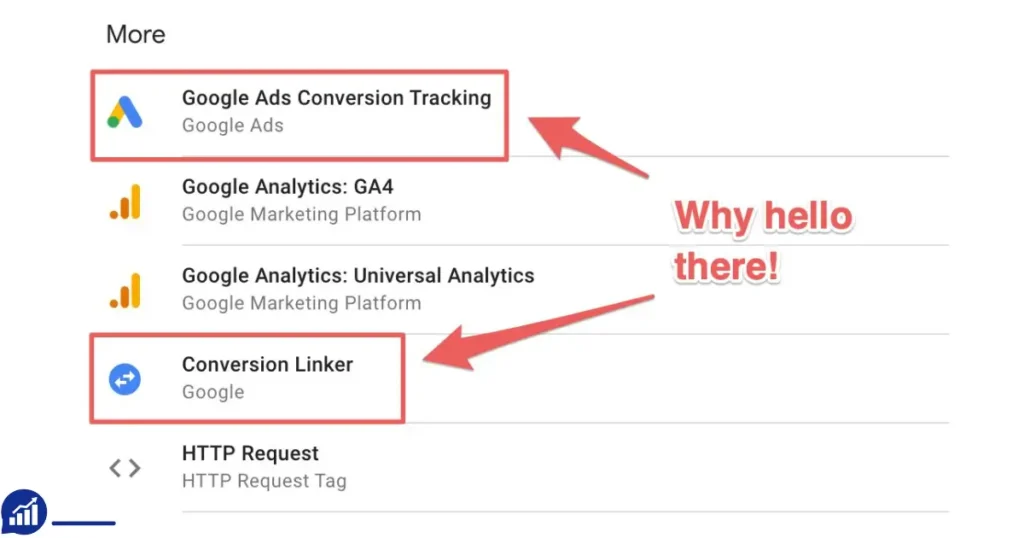
- Click on “Add a new tag” and choose “Google Ads Conversion Tracking” as the tag type.
- Enter your conversion ID and label, which you can find in your Google Ads account.
- Set the trigger to fire the tag. This could be a page view, form submission, or other events.
- Save the tag and publish your container.
By following these steps, you can ensure that your conversion tags are correctly set up. This helps in accurately measuring conversions, thus improving your advertising ROI.
Testing With Preview Mode
Before relying on your setup for e-commerce tracking, it’s important to test it using Preview Mode in Google Tag Manager. This ensures that your tags are working as intended. Here’s a simple guide to using Preview Mode:
- Open Google Tag Manager and click on “Preview” to enable Preview Mode.
- Visit your website in a new tab. A debug console will appear at the bottom of the screen.
- Perform the actions that should trigger your conversion tags, like completing a purchase or submitting a form.
- Check the debug console to see if the tags are firing as expected.
If the tags fire correctly, your conversion tracking setup is ready. If not, review your triggers and ensure your tracking code is correct.
Testing with Preview Mode is a crucial step. It helps prevent errors in Google Analytics and ensures accurate event tracking.
Monitoring Conversion Data
Setting up Conversion Tracking in Google Ads is crucial for understanding the success of your campaigns. Monitoring Conversion Data allows you to see which ads lead to desired actions like purchases or sign-ups. This insight helps you optimize your advertising efforts and maximize your return on investment (ROI). By closely examining Conversion Reports, analyzing performance metrics, and making necessary adjustments, you can ensure your ads are working effectively.
Accessing Conversion Reports
To access Conversion Reports in Google Ads, follow these simple steps:
- Log in to your Google Ads account.
- Click on the “Tools & Settings” icon in the top right corner.
- Select “Conversions” under the “Measurement” section.
- You’ll see a dashboard displaying various Conversion Tracking metrics.
These reports provide valuable data, such as:
| Metric | Description |
|---|---|
| Conversions | Total number of conversions |
| Conversion Rate | Percentage of clicks that led to conversions |
| Cost per Conversion | Average cost incurred for each conversion |
Understanding these metrics is key to effective advertising. Tracking setup allows you to gather data, but interpreting it is where the real insights are gained.
Analyzing Performance
Analyzing Performance involves diving deeper into the data provided by your Conversion Reports. Look at the Click-Through Rates (CTR)to assess how well your ads are grabbing attention. A higher CTR indicates that your ad content is relevant and engaging to your audience.
Next, evaluate Ad Performance by comparing different ads within the same campaign. Identify which ads have higher conversion rates and lower costs per conversion. This helps in understanding which strategies are working best.
Consider the following aspects for performance analysis:
- Keywords: Identify high-performing keywords and focus your budget on them.
- Ad Placement: Determine which platforms or locations yield better results.
- Audience Segmentation: Tailor your ads to specific groups for better engagement.
By conducting a thorough Performance Analysis, you can refine your strategy for better ROI Measurement.
Making Adjustments
After analyzing the data, it’s essential to make informed adjustments to your campaigns. This process, known as Campaign Optimization, can greatly enhance your advertising effectiveness. Start by adjusting bids on keywords that show promising results.
Consider the following adjustment tips:
- Increase budget allocation for high-performing ads.
- Pause or modify ads that aren’t converting well.
- Experiment with different ad formats or creatives.
Another crucial step is to refine your audience targeting. Use the insights gained from Conversion Tracking to focus on demographics that are more likely to convert.
Reviewing and adapting your strategy regularly ensures your Google Ads efforts are aligned with your business goals. Small changes can lead to significant improvements in your ROI.
Common Issues And Troubleshooting
Setting up conversion tracking in Google Ads is crucial for analyzing campaign success and optimizing strategies. But sometimes, things don’t go as planned. Common issues and troubleshooting methods can help you navigate these challenges effectively. Whether missing conversions or inaccurate data, understanding the root of the problem can lead to seamless tracking and better results. This section addresses frequent issues and offers practical solutions.
Missing Conversions
Missing conversions can be frustrating, impacting your Google Ads Performance Metrics. There are several reasons why conversions might not appear:
- Improper Tracking Code Implementation: Ensure the tracking code is correctly placed on the conversion page.
- Incorrect Tag Configuration: Verify that settings in Google Tag Manager Integration are accurate.
- JavaScript Errors: Check for any errors that might prevent the code from firing.
To troubleshoot:
- Review your website’s source code to confirm the tracking pixel is installed.
- Test the conversion action using Google Tag Assistant to ensure proper firing.
- Use Chrome Developer Tools to identify any JavaScript issues.
Properly setting up conversion tracking is key to understanding your Online Advertising ROI. Regular audits help maintain tracking accuracy.
Inaccurate Data
Inaccurate data can skew your understanding of Google Ads Conversion Tracking. Causes may include:
- Double Counting: Repeated conversion actions can inflate metrics.
- Incorrect Settings: Verify that conversion actions are correctly configured.
- Delayed Reporting: Sometimes data takes time to update.
Solutions to fix inaccurate data:
- Check conversion settings in your Google Ads account.
- Use Conversion Tracking Best Practices to ensure proper configuration.
- Analyze trends over time to detect anomalies.
Accurate data is vital for Conversion Optimization Strategies. Regular reviews ensure data integrity.
Debugging Tracking Codes
Debugging tracking codes is essential for e-commerce conversion Tracking. Steps to debug include:
- Verify Code Placement: Ensure the code is on the correct page.
- Use Debugging Tools: Tools like Google Tag Assistant help identify issues.
- Check Browser Console: Look for errors in the console log.
Follow these debugging steps:
- Use Google Tag Assistant for real-time code verification.
- Inspect elements using browser developer tools.
- Ensure no conflicting scripts are present.
Effective debugging ensures your Tracking Code Implementation is flawless, enhancing your Google Ads Performance Metrics.
Frequently Asked Questions on How to Set Up Conversion Tracking in Google Ads
What Is The First Step In Setting Up Conversion Tracking?
Begin by identifying the key actions you want to track on your website. Set clear conversion goals, like purchases or form submissions. Define what success looks like for your business. This helps in configuring the tracking tool effectively. Use tools like Google Analytics or Facebook Pixel for accurate tracking.
How To Track Conversion Value In Google Ads?
To track conversion value in Google Ads, set up conversion tracking. Navigate to “Tools & Settings,” select “Conversions,” then create a new conversion action. Define conversion values during setup. Use Google Tag Manager or the Global Site Tag to implement tracking codes on your website.
Is Google Conversion Tracking Free?
Yes, Google conversion tracking is free. It helps businesses measure their advertising effectiveness. Users can track actions like purchases, sign-ups, and downloads. Integrating with Google Ads provides valuable insights. This tool is essential for optimizing ad campaigns and improving return on investment.
Which Action Can Be Tracked As A Conversion In Google Ads?
Google Ads can track conversions like website purchases, form submissions, phone calls, and app downloads. These actions help measure ad effectiveness and optimize campaigns for better results. Accurate tracking provides valuable insights into user behavior and campaign performance, enhancing ROI.
What Is Conversion Tracking In Google Ads?
Conversion tracking lets you see what actions users take after clicking your ads. It helps measure ad success.
Conclusion
Setting up conversion tracking in Google Ads is essential for success. It helps you understand what works and what doesn’t. With tracking, you can see which ads convert. This information helps improve your ad strategy. You can spend money where it matters most.